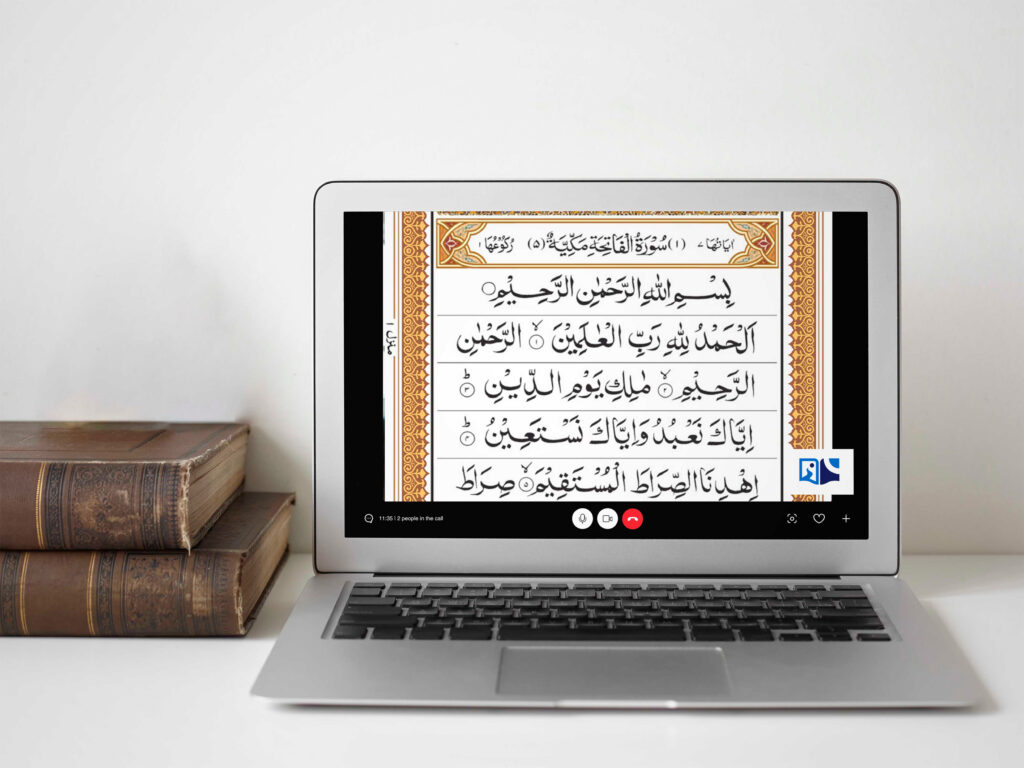
Surah Al-Fatiha is the opening chapter of the Quran and is also called “Umm-ul-Quran” (Mother of the Book). It is recited in every unit of prayer, and its message is the foundation of the entire Quran. In this post, we’ll go verse by verse, with easy Urdu explanations, a supporting Hadith, and a practical takeaway.
Translation: In the name of Allah, the Most Gracious, the Most Merciful.
Tafseer (Explanation):
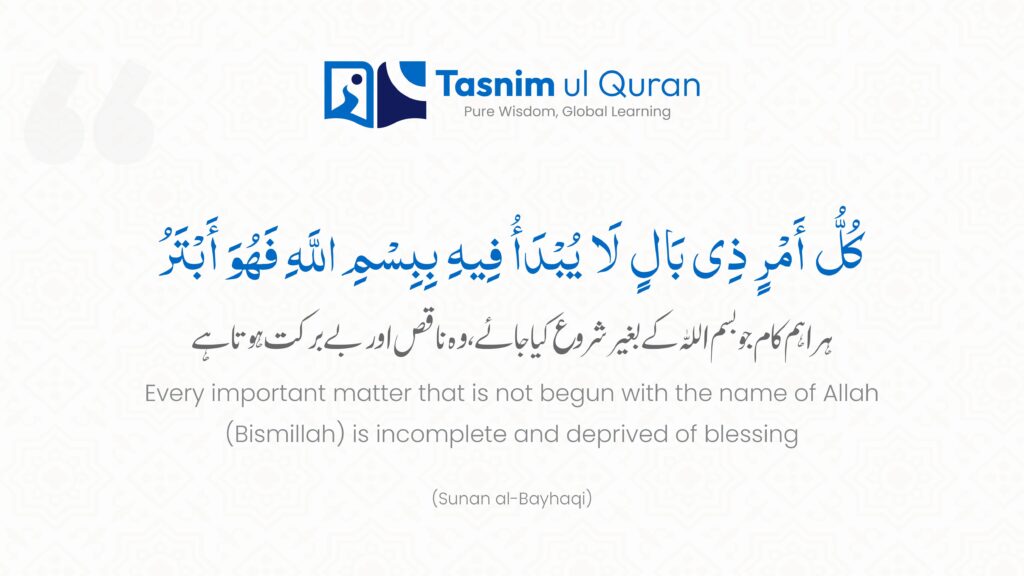
This is theopening verse of the Qur’an, and it’s one of the most frequently recited lines in Islam. It teaches us to begin everything with the name of Allah, relying on Him for blessing and success.
“In the name of Allah” (بِسْمِ اللَّهِ)
Reminds us that every action should start with the intention of pleasing Allah.
It connects the believer’s daily life with their Creator.
“Ar-Rahmān” – The Most Merciful
Indicates Allah’s vast and universalmercy, encompassing all creation.
“Ar-Rahīm” – The Especially Merciful
Shows Allah’s special mercyfor the believers — especially in the Hereafter.
Together, these names show that Allah’s mercy surrounds everything — before, during, and after our actions.
Action: Begin all tasks with “Bismillah” from today.
This verse repeats the two beautiful names of Allah: Ar-Rahmaan (Entirely Merciful) and Ar-Raheem (Especially Merciful). This repetition reminds us that everything in the universe is under Allah’s mercy. Even our sins and mistakes are forgiven by His mercy if we sincerely repent.
Ar-Rahmaan– His mercy is vast and covers all creation, believers and non-believers alike.
Ar-Raheem – His mercy is special for the believers, especially in the Hereafter.
This verse giveshope and comfort. No matter how sinful we are, Allah’s mercy is greater.
Explanation: This shows that Allah’s default is mercy, not punishment. No matter how sinful we are, His mercy is always available if we sincerely repent.
Action Points for Readers:
Never lose hope in Allah’s mercy, no matter what mistakes you’ve made.
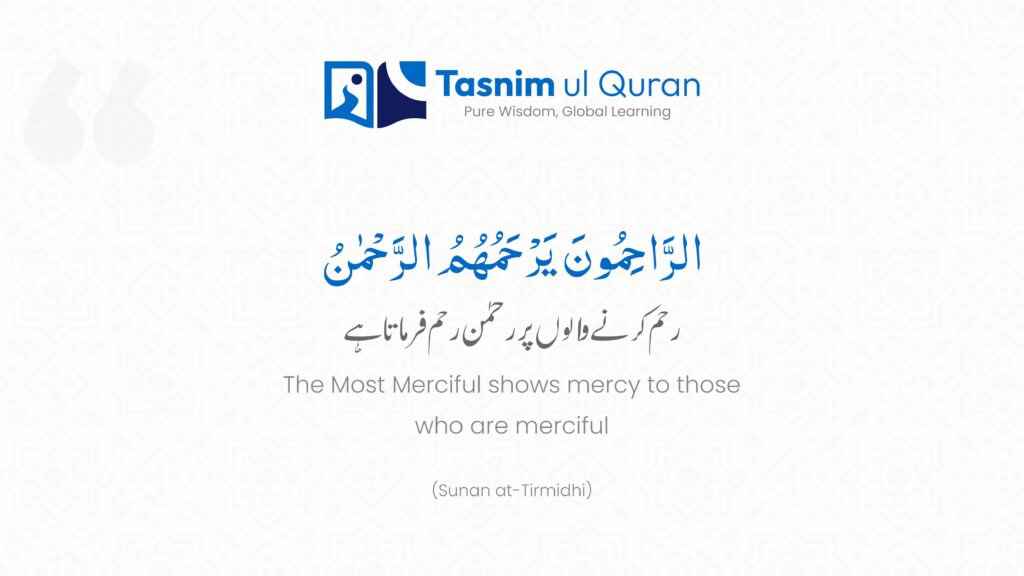
Be merciful to others — your parents, spouse, children, and even animals — as Allah loves those who are merciful.
Say“Bismillah-ir-Rahman-ir-Rahim” before starting any work or speech.
This verse reminds us that Allah is the ultimate authority on the Day of Judgment — the day when every soul will be held accountable.
“Malik” means Owner or King.
“Yawm-ud-Deen” means the Day of Recompense (Judgment Day).
On that day, no king, no power, no money, and no intercessor will help anyone — except with Allah’s permission. Everything belongs to Him, and He will judge everyone with absolute justiceand perfect mercy.
This verse builds awe, fear, and accountability in a believer. It reminds us tolive every day with the Hereafter in mind.
Action Point:
Ask yourself daily: “If today was my last day, what would I change?”
Live in a way that you won’t regret on the Day of Judgment.
Translation:You alone we worship, and You alone we ask for help.
Tafseer (Explanation):
This verse is the core of the entire Surah — and in fact, of Islam itself. It teaches two powerful principles:
Tawheed al-Ibaadah: Worship is for Allah alone. No partner, no idol, no saint, no prophet deserves worship.
Tawakkul: We seek help only fromAllah, the true source of strength.
This verse turns the tone of the Surah from praise to a personal prayer. It also reminds us: worship is not just rituals — it’s about loving, fearing, obeying, and relying on Allah in all matters.
Action Point for Readers:
Begin your day with this dua: “O Allah, I worship You alone and seek only Your help — guide me throughout today.”
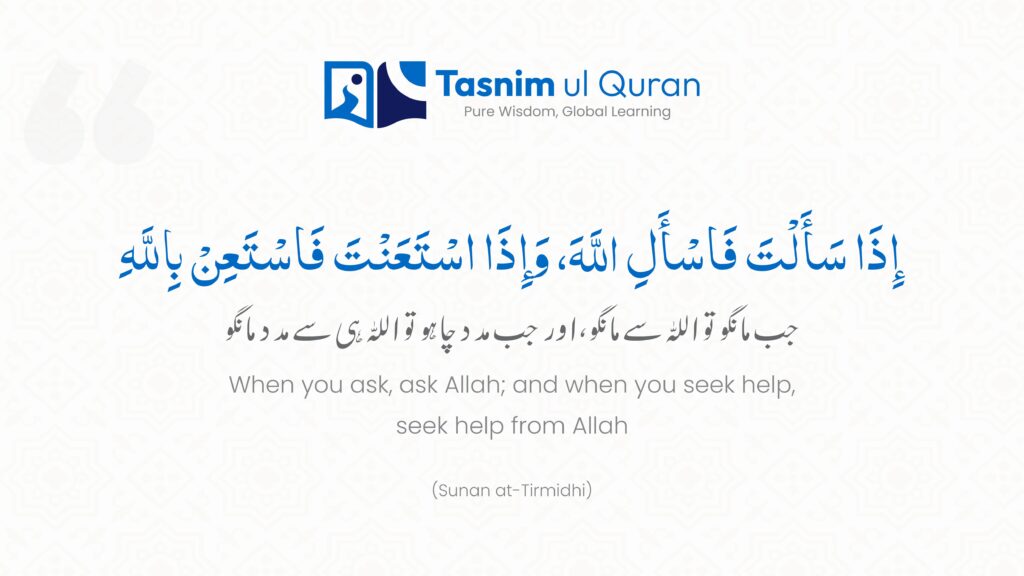
When in difficulty, first say: “Ya Allah, help me” — then take action.
Reflect: Are my actions purely for Allah, or to please people?
This is a direct and powerful du‘a (supplication)that every believer is commanded to make in every Rak‘ah of Salah. It reflects the deepneed for guidance — not just once, but constantly.
“Ihdina” – means “Guide us”. It’s a humble request to Allah for direction.
“As-Sirāt al-Mustaqeem” – “The Straight Path” refers to:
The path of Islam as taught by the Prophet ﷺ.
A life of obedience, sincerity, balance, and avoiding extremes.
The path that leads to Paradise and pleases Allah.
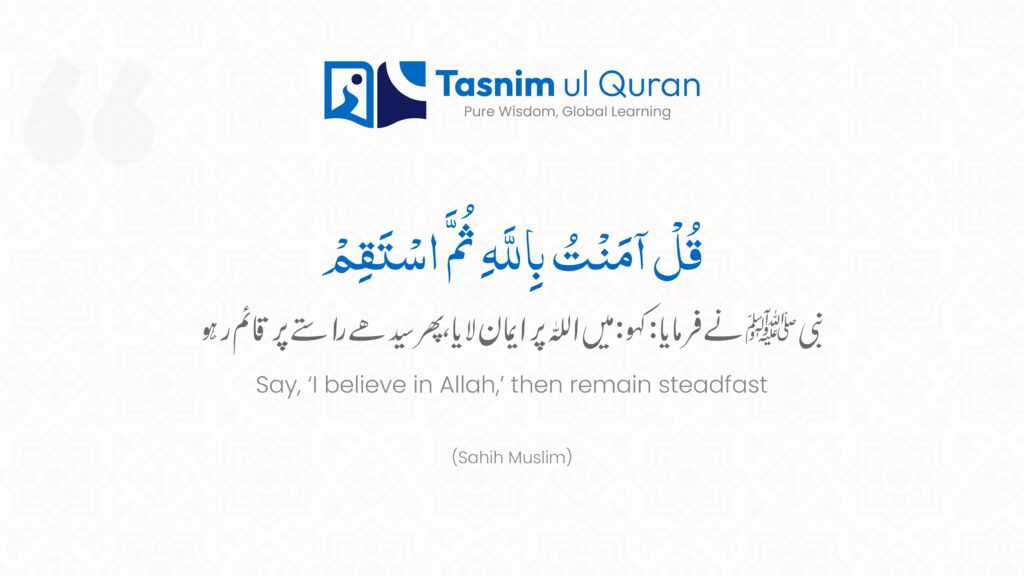
Even if someone is already on the right path, this ayah reminds us that we need Allah to keep us firm and prevent us from going astray.
Action Points for Readers:
Say this verse with sincerity in every Salah, knowing that you are talking to Allah.
Make personal dua: “O Allah, guide me, my family, and the whole Ummah to the Straight Path.”
Study what the Straight Path really means — it’s not just belief, but also character, justice, humility, and following the Sunnah.
Translation: The path of those You have favored, not of those who earned Your anger nor of those who went astray.
Tafseer (Explanation):
This versecompletes the prayer for guidance. After asking for the Straight Pathin Ayah 6, here we ask Allah to lead us on the path of specific people —those He has favored, and not those who went wrong.
Who are the favored (الَّذِينَ أَنْعَمْتَ عَلَيْهِمْ)?
According to the Qur’an (4:69), they are:
Prophets
Truthful people (Siddiqeen)
Martyrs (Shuhadaa)
Righteous believers (Saliheen)
These are our role models. Their path is marked by faith, action, and sincerity.
Who are the maghdūb (those who earned Allah’s anger)?
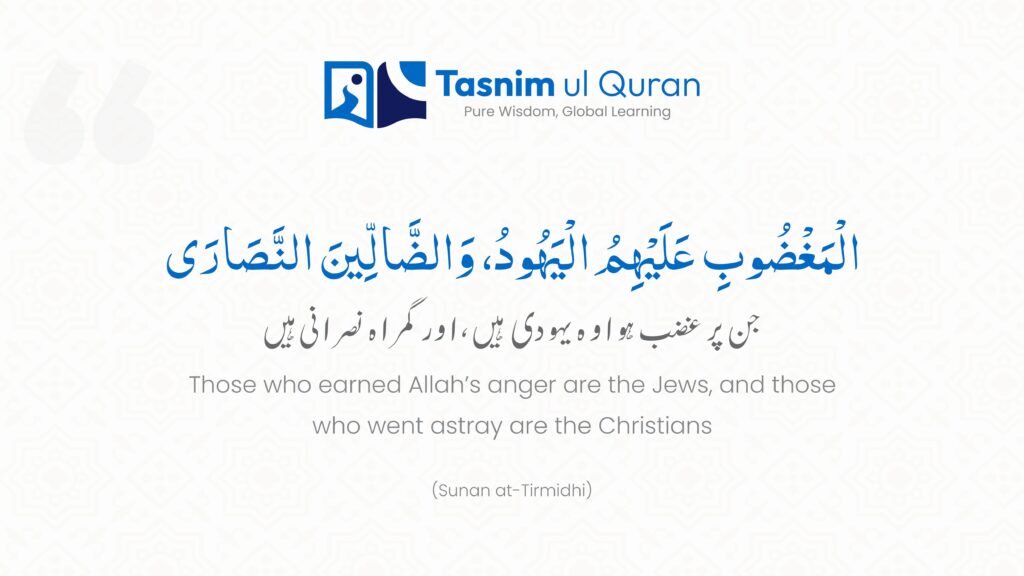
These are people who had knowledge but did not follow it. — Example: TheJews mentioned in several verses of the Qur’an (with their scholars hiding the truth).
Who are the ḍāllīn (those who went astray)?
These are people who acted without knowledge, following misguidance and innovation. — Example: The Christians who were sincere butdeviated from the truth.
This verse teaches us to avoid:
Knowing the truth but ignoring it.
Following falsehood with good intentions.
Explanation: Following thepath of those favored means obeying the Prophet ﷺ and his Sunnah. Disobeying is choosing misguidance.
Action Points for Readers:
Ask yourself: Who are my role models in Islam? Do they follow the Sunnah?
Learn about the lives of the Prophets, companions, and true scholars.
Avoid two dangers:
Knowledge without action (like the angry ones).
Action without knowledge (like the misguided ones).